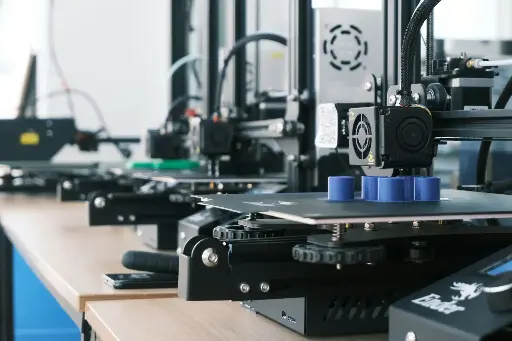
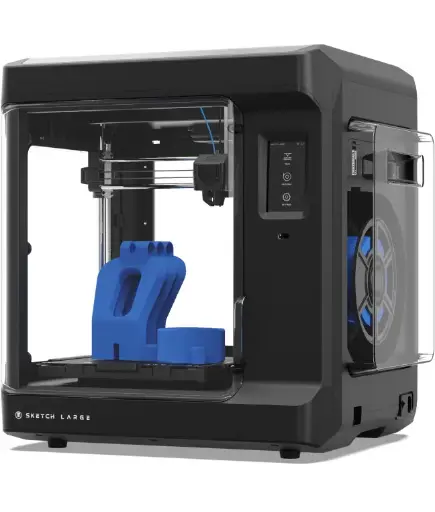
This course provides an in-depth exploration of the two
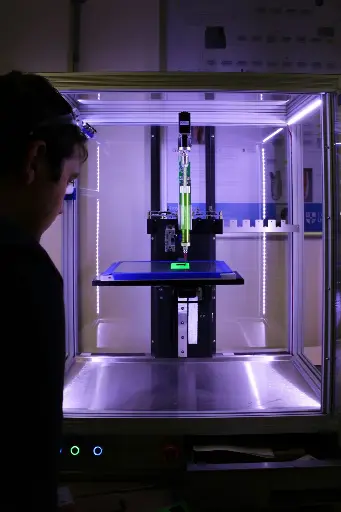
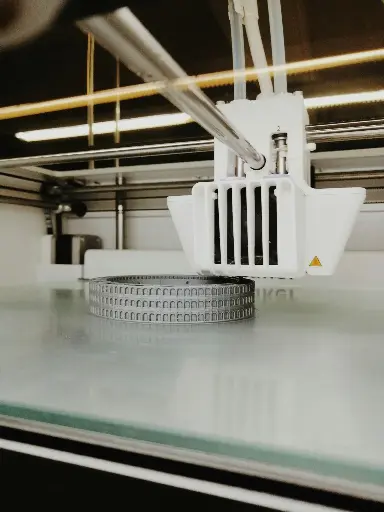
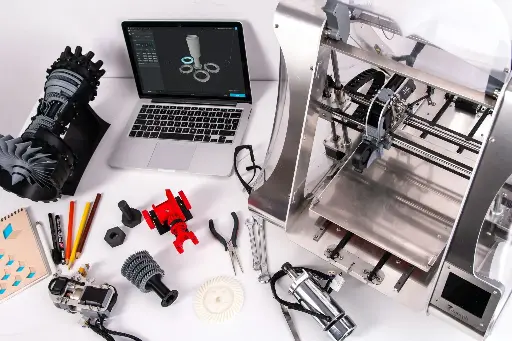
primary 3D printing material categories—thermoplastic filaments (FDM/FFF) and photopolymer
resins (SLA/DLP/LCD). Students will learn the properties, applications,
advantages, and limitations of each material type, along with practical
guidance on selecting the right medium for different projects.
By the end of this course, learners will be able to:
- Identify key differences between filament and resin-based
3D printing.
- Select appropriate materials for functional, aesthetic, or
industrial applications.
- Understand post-processing techniques (sanding, curing,
etc.) for each material.
- Troubleshoot common printing issues related to material
choice.
- Apply safety best practices when handling resins or
high-temperature filaments.
Course Modules
Module 1:
Introduction to 3D Printing Materials
- Overview of additive manufacturing technologies
- Comparison of FDM vs. resin printing workflows
- Key terminology (e.g., tensile strength, HDT, curing)
Module 2:
Filament-Based 3D Printing (FDM/FFF)
- Material Deep Dives: PLA, ABS, PETG, TPU, Nylon, PC,
composites
- Printing parameters (temps, speeds, bed adhesion)
- Post-processing: Sanding, acetone smoothing,
annealing
Module 3: Resin-Based
3D Printing (SLA/DLP/LCD)
- Resin Types: Standard, tough, flexible, castable, dental,
high-temp
- Curing mechanisms and UV light requirements
- Post-processing: Washing, curing, support removal
Module 4: Material
Selection & Applications
- Choosing between filament and resin for prototypes,
functional parts, and art
- Case studies (e.g., aerospace, healthcare, consumer
products)
- Cost analysis and sustainability considerations
Module 5: Safety
& Best Practices
- Handling toxic resins (ventilation, PPE)
- Filament storage (moisture control, drying)
- Printer maintenance for abrasive materials
Learning Outcomes
✅ Technical Knowledge: Understand
material properties like strength, flexibility, and thermal resistance.
✅ Practical Skills: Calibrate
printers for different materials and troubleshoot failures.
✅ Decision-Making: Confidently
select materials based on project requirements.
✅ Safety Compliance: Follow
protocols for hazardous materials and equipment.
Who Should Enroll?
- Hobbyists looking to optimize their 3D prints
- Engineers/Designers seeking material-specific prototyping
knowledge
- Educators teaching additive manufacturing
- Entrepreneurs evaluating 3D printing for production
Assessment &
Certification
- Quizzes: Module-based multiple-choice tests (e.g.,
filament vs. resin properties)
- Hands-On Project: Submit a printed object with
documentation on material selection
- Final Exam: Comprehensive test covering all modules
- Certificate of Completion: Awarded for ≥80%
score